
Test scope, screenshots, checkpoint findings and tier rationale were supplied by an identified reviewer. Identity is retained internally unless public attribution is explicitly enabled.

HealthTech · South AfricaFull evidence record
BioCertica
BioCertica is a South African consumer DNA-testing service combining physical sample collection and laboratory processing with digitally delivered genetic reports and an accompanying app experience.
Sandbox Africa checked the submitted evidence and promoted the verified checkpoint record. Any visible adjustment is identified rather than silently rewritten.
The official public tier and technical record below are the verified publication outcome.
Tier 2 — Market-Ready
Keep Tier 2. The service is a real market-facing hybrid digital/laboratory product; the physical lab dependency is legitimate, but the evidence is not sufficient for Tier 3.
Strongest supporting evidence
What worked: Practitioner portal sign-up/sign-in; incorrect-login error handling; dashboard; EightyGood access; business account creation; saved business link; workspace creation; practice details. What failed / remained inaccessible: Full customer DNA-testing workflow could not be completed; verification email was delayed; AI itself was not fully tested. Errors found: No major registration/authentication error observed; the main friction was delayed verification email. Customer testing was limited by purchase and full testing requirements. Access limitations: Full customer DNA testing requires purchase, sample collection, courier pickup, laboratory testing and waiting period; security/privacy controls were not fully independently assessed.
Why the next tier is not yet supported
Why not one higher: Tier 3 would require stronger end-to-end validation of the customer DNA-testing journey through purchase, collection, laboratory processing and results.
Verified findings and limitations
Direct review observations
The intern verified the consumer-facing journey but could not execute the full physical kit, laboratory-processing and result-return cycle within the review window.
Independent verification
The current official site is biocertica.com, not the submitted biocertica.ai address, and describes a 6–10 week sample-to-results journey with results delivered through the app.
Observed issues
The submitted website URL was outdated/incorrect and should be corrected.
Testing limitations
Physical sample collection, lab chain-of-custody, analytical validity and final report generation were not independently completed.
Independent verification sources. Source 1
What was actually assessed
The practitioner environment demonstrated meaningful working functionality. The customer-facing DNA testing service was not fully assessed because completing it requires purchasing a kit and proceeding through sample collection, courier, laboratory testing and the waiting period.
Environment / device / browser
Edge on Windows 11
Account or access type
New public account
Access limitations
Access limitations: Full customer DNA testing requires purchase, sample collection, courier pickup, laboratory testing and waiting period; security/privacy controls were not fully independently assessed.
What was observed
These images formed part of the evidence pack considered during verification. Full-standard records retain the contributor's factual caption for each screenshot.
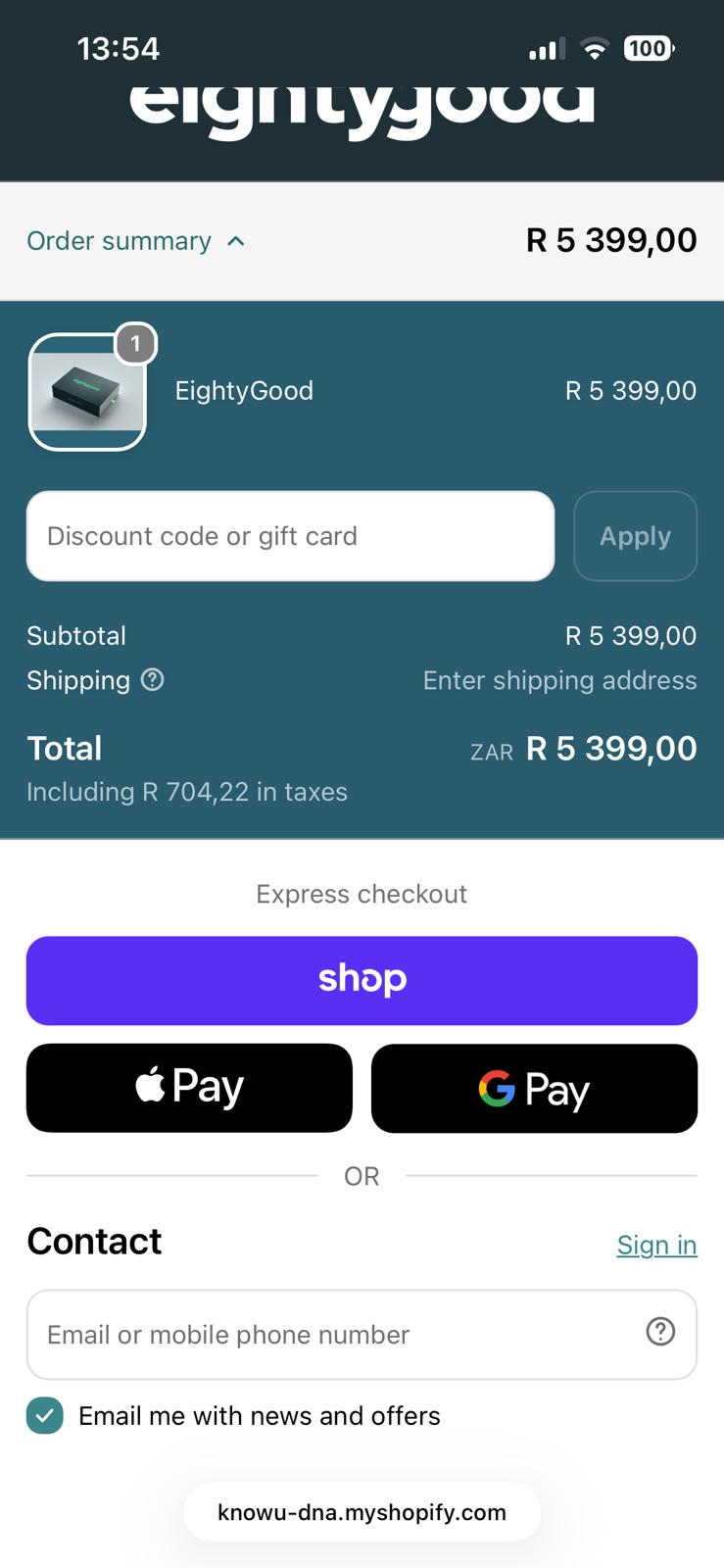
Evidence 1
Shows the secure payment gateway used
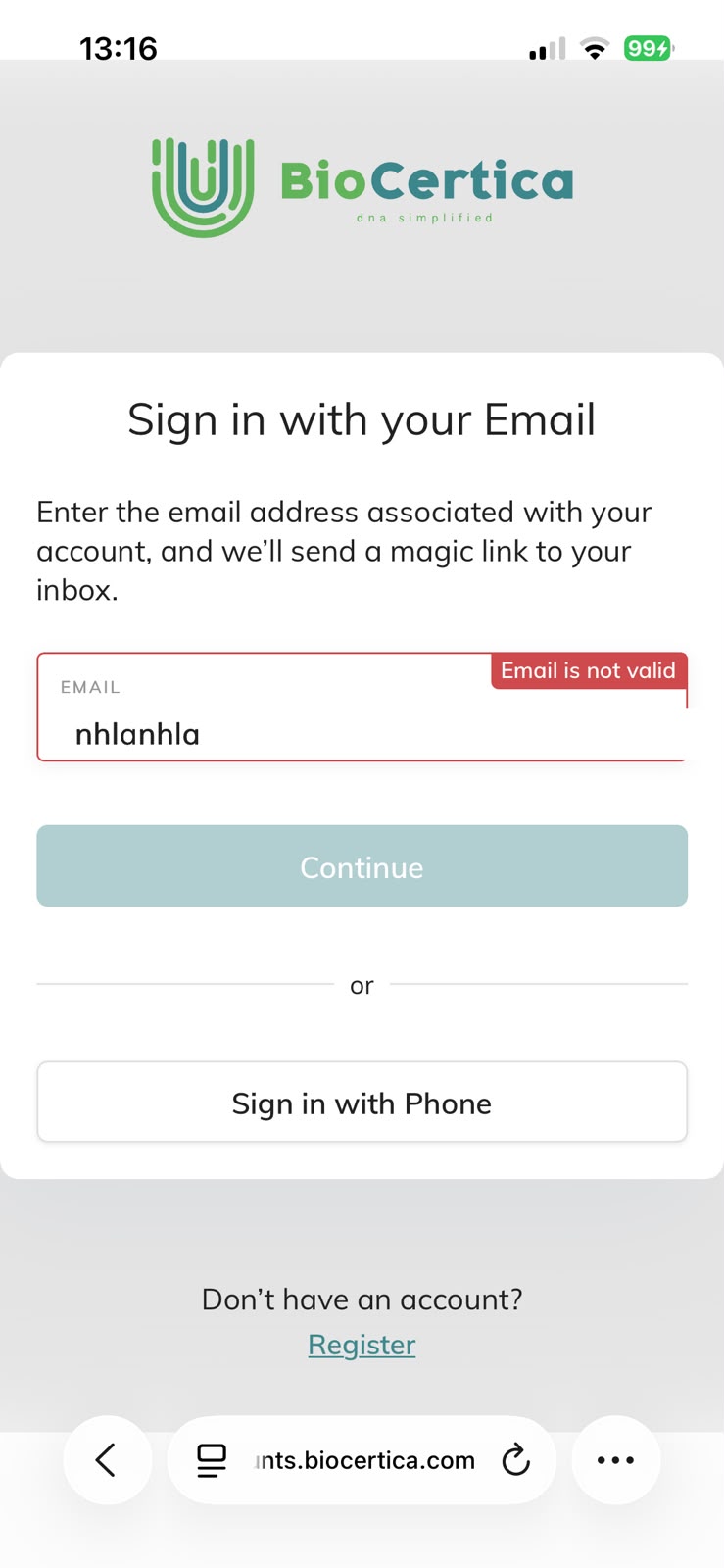
Evidence 2
Shows the functioning sign in
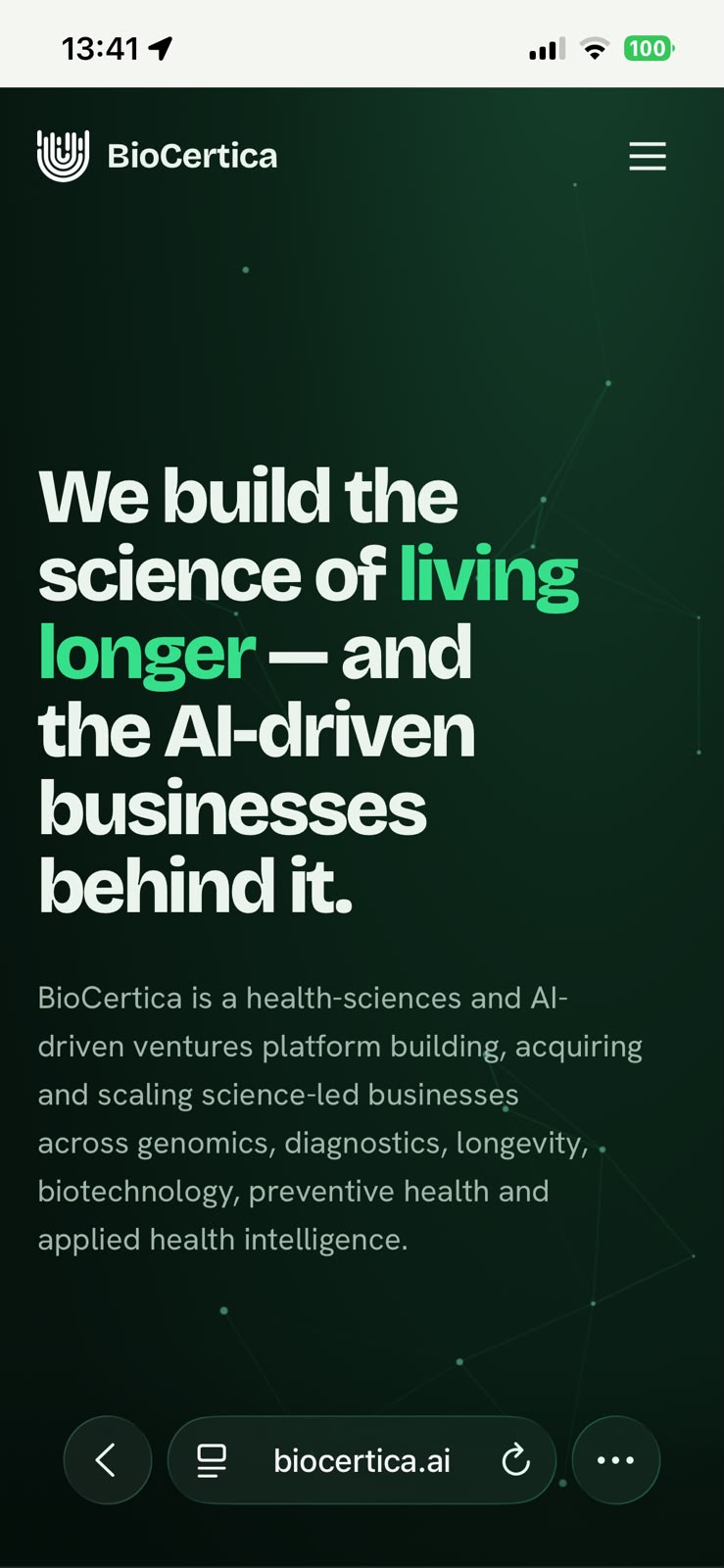
Evidence 3
Shows the existence of the website
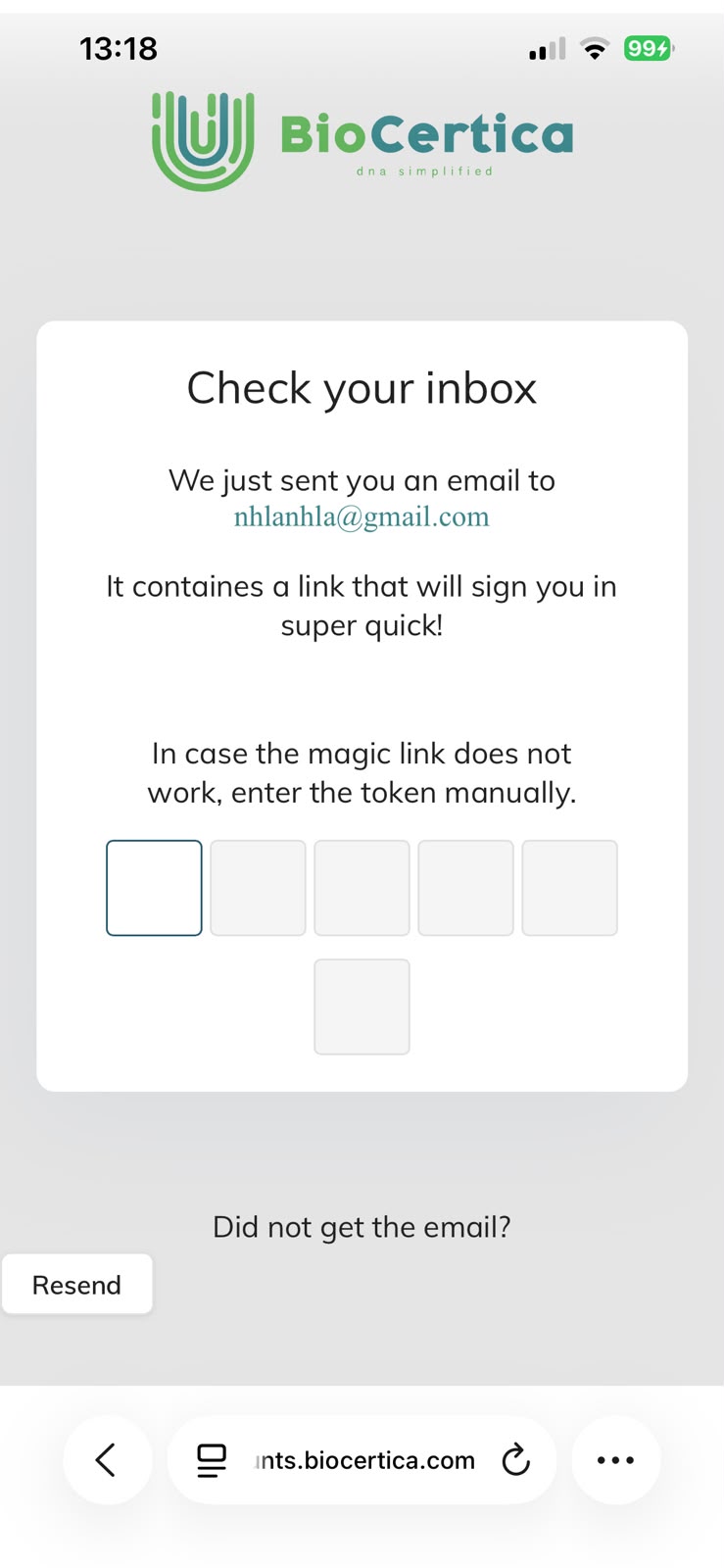
Evidence 4
Shows the function that required a code sent to the provided email.
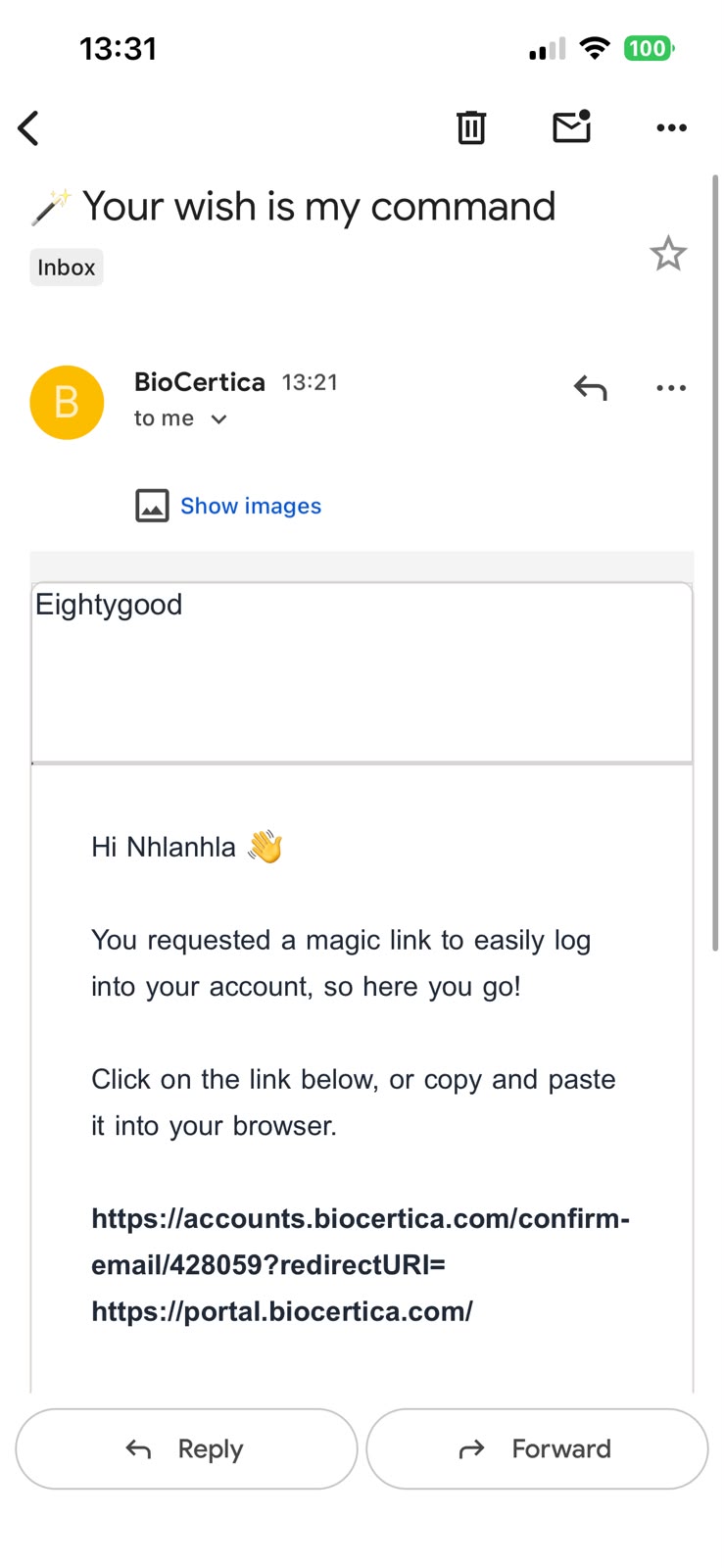
Evidence 5
Shows that the email verification was received
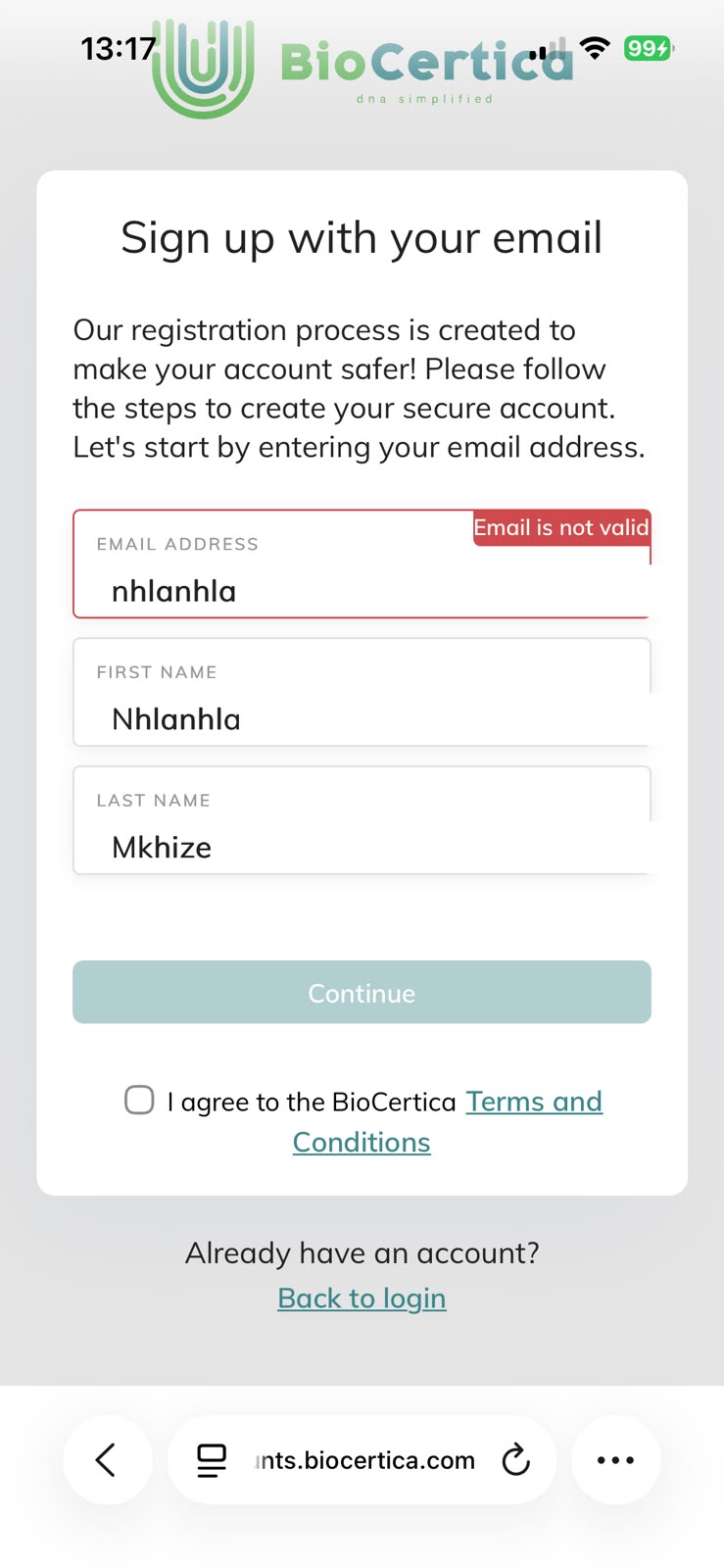
Evidence 6
Shows the functiong sign up
Seven checkpoint assessment
The verified result is the official public checkpoint record. For earlier-standard reviews, these findings may have been reconstructed from preserved evidence during Sandbox Africa’s 2026 audit; they are not presented as if the contributor originally completed a structured worksheet. Contributor-submitted checkpoint wording is shown only where explicit public reviewer attribution has been enabled.
Step 1 — The Existence & Accessibility Check
Is it live?
Checking for dead links, infinite loading screens, or "Coming Soon" landing pages masquerading as live products.
Sandbox verifiedpass
Two websites were available to use
Onboarding friction
Can a user or enterprise actually sign up, or is it gated behind broken "Contact Sales" forms?
Sandbox verifiedpartial
Medium practitioner friction because registration was not excessive but verification email was delayed. Customer friction was not fully assessable.
Step 2 — Functional Testing (The "Try It Out" Phase)
Core loop execution
Does the application actually do what it claims to do? (e.g. a payment gateway completing a test transaction, a logistics app's routing engine working.)
Sandbox verifiedpartial
The practitioner workflow could be assessed through dashboard access and business-console setup. The customer DNA-testing workflow was not fully assessed because it requires purchase of the kit and completion of sample collection, courier pickup, laboratory testing and the results waiting period. Editorial proposal adjusted from not_assessed to partial using current independent verification and the established gated-product/safety-critical rules.
Verification adjustmentUser experience (UX) & interface (UI)
Assessing the logical flow, responsiveness, and basic accessibility of the platform.
Sandbox verifiedpass
Good and easy to navigate Evidence was not sufficient for a stronger conclusion in this assessment.
Verification adjustmentStep 3 — Technical & Architectural Assessment
Performance
Load speeds, uptime reliability, and basic stress responses.
Sandbox verifiedpass
Good and fast respondive performance
Integration readiness
Availability, clarity, and functionality of API documentation and webhooks.
Sandbox verifiedpartial
Not publicly available Editorial proposal adjusted from not_assessed to partial using current independent verification and the established gated-product/safety-critical rules.
Verification adjustmentSecurity basics
SSL certification, basic encryption standards, and data handling transparency.
Sandbox verifiedpartial
Apart from the secure payment gateway, could not be assessed Editorial proposal adjusted from not_assessed to partial using current independent verification and the established gated-product/safety-critical rules.
Verification adjustmentCompany right of reply
Claim company profile
Represent BioCertica?
Claiming verifies company ownership and enables a response or additional evidence. It does not permit editing of the independent review.